Top 5 Tips for Healthy Aquaculture Water Management
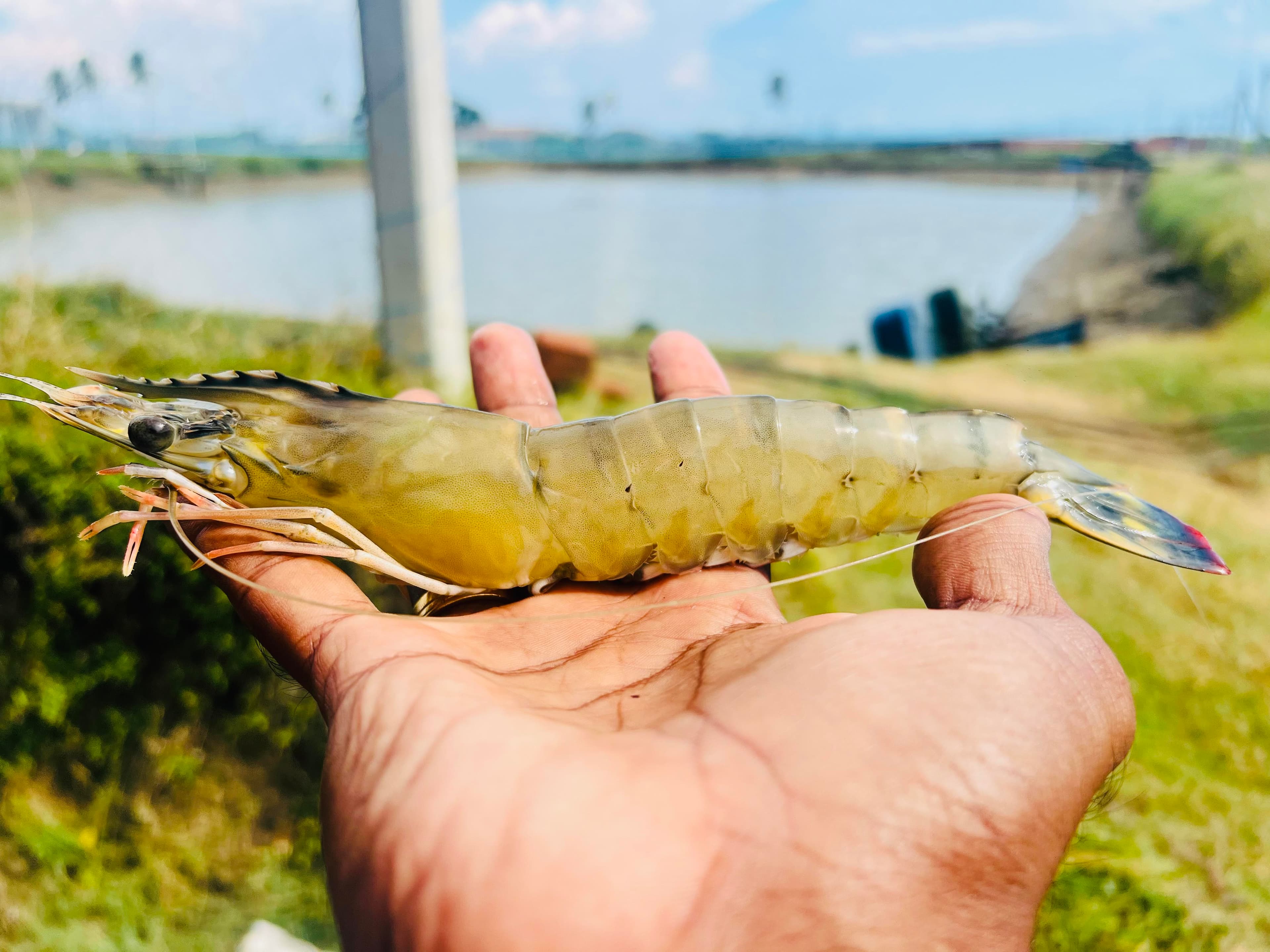
Water quality is the backbone of any successful aquaculture operation. Whether you are farming fish, shrimp, or other aquatic species, poor water conditions can lead to slow growth, increased stress, and severe disease outbreaks, ultimately affecting your profitability. Maintaining a healthy aquatic environment is not just about adding water or feeding your stock; it requires consistent monitoring, careful management, and preventive measures.
Here are five essential tips to help you maintain optimal water quality and ensure a thriving aquaculture system:
1. Regular Water Testing
Consistent testing of key water parameters—such as pH, dissolved oxygen, ammonia, nitrites, and nitrates—is vital. Regular monitoring allows you to detect changes early and take corrective action before they impact your stock. Maintaining a log of water quality over time also helps identify trends and potential long-term issues.
2. Maintain Proper Aeration
Oxygen is critical for the health and growth of aquatic species. Aerators, water pumps, or natural circulation methods ensure that oxygen levels remain within safe limits. Insufficient oxygen can lead to stress, reduced immunity, and in severe cases, mass mortality.
3. Control Feeding Practices
Overfeeding is a common problem in aquaculture. Uneaten feed decomposes and releases harmful compounds into the water, such as ammonia and nitrites, which can stress or poison your stock. Feed only the amount your fish can consume within a few minutes, and adjust portions based on growth and season.
4. Proper Filtration
Mechanical and biological filtration systems remove waste, excess feed, and harmful bacteria from the water. Mechanical filters remove larger particles, while biofilters break down toxic compounds. A well-maintained filtration system helps maintain clear water and reduces the risk of disease outbreaks.
5. Routine Water Changes
Partial water replacement is an effective method to dilute accumulated toxins, maintain stable chemical parameters, and refresh your aquatic environment. The frequency and volume of water changes depend on the system type, stocking density, and species being cultured.
By implementing these tips, aquaculture operators can create a healthier, more productive environment for their stock. A proactive approach to water management not only enhances growth and survival rates but also reduces the need for expensive treatments and emergency interventions. Remember, in aquaculture, prevention is always better than cure.