Blogs
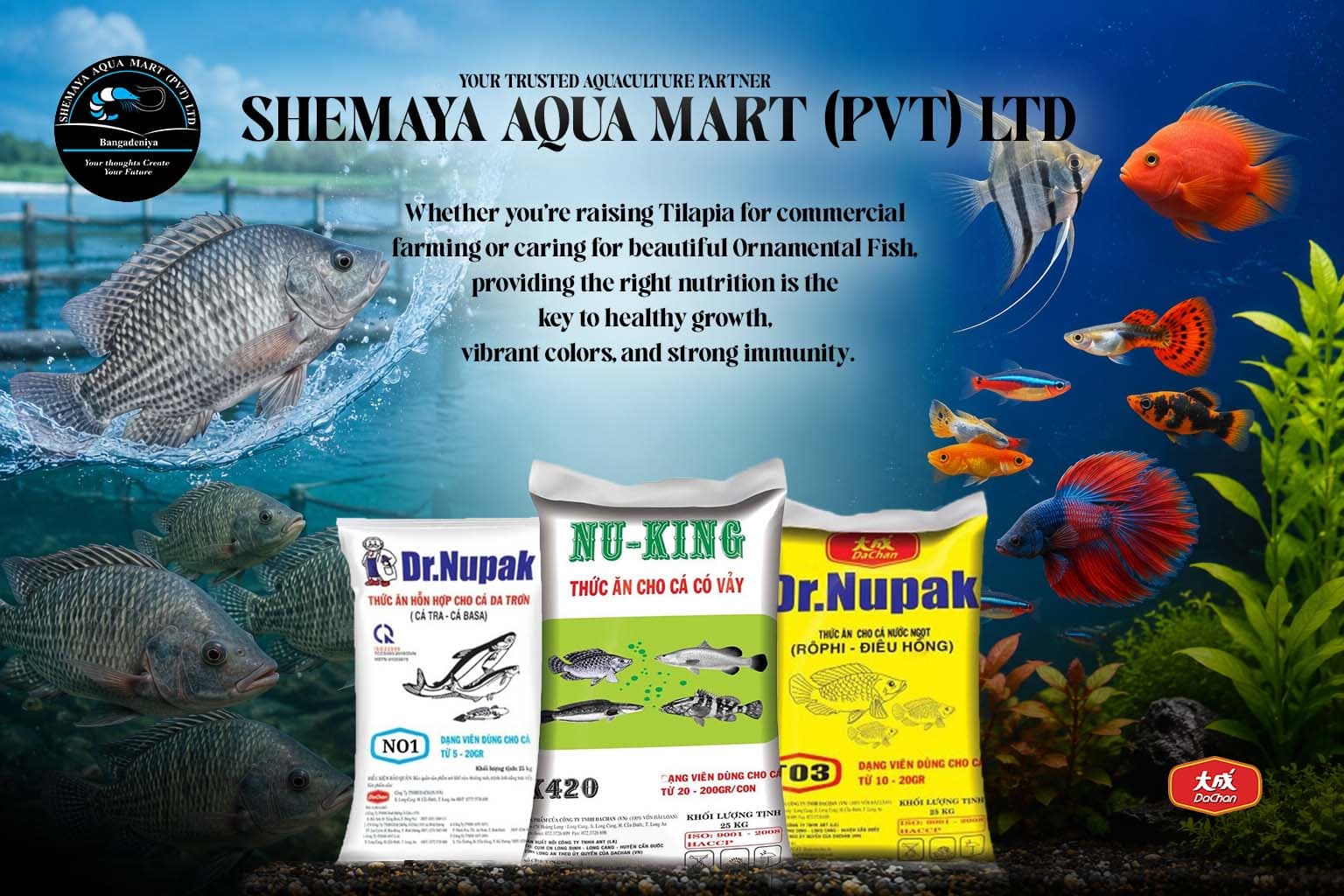 In aquaculture, success doesn't happen by chance—it begins with the right decisions. One of the most important decisions every fish farmer makes is choosing high-quality feed. Whether you're managing a commercial Tilapia farm or maintaining a colorful collection of ornamental fish, nutrition is the foundation of healthy growth and long-term success.
At SHEMAYA AQUA MART (PVT) LTD, we are committed to helping farmers and fish enthusiasts achieve outstanding results through premium-quality fish feeds, expert technical support, and trusted aquaculture solutions.
**Why Quality Fish Feed Matters**
Just like people, fish require a balanced diet to grow, stay healthy, and perform at their best. Feeding low-quality diets may seem economical at first, but it often leads to:
Slow growth rates
Poor feed conversion
Increased disease outbreaks
Water quality deterioration
Higher production costs
Lower market value
Investing in premium fish feed means investing in your farm's future.
Premium Nutrition for Every Stage of Growth
At SHEMAYA AQUA MART (PVT) LTD, we proudly supply internationally trusted fish feed brands designed to meet the nutritional needs of various freshwater fish species.
**Our premium feeds help support:**
Faster and uniform growth
Strong immune systems
Better survival rates
Improved feed conversion efficiency
Healthy body development
Vibrant colors for ornamental fish
Whether you're raising fingerlings or market-size fish, proper nutrition helps maximize your farm's potential.
**Tilapia Farming: Build a Stronger Harvest**
Tilapia is one of the world's fastest-growing aquaculture species. With proper feeding and management, farmers can achieve excellent production while maintaining healthy stock.
**The benefits of quality tilapia feed include:**
Faster weight gain
Improved flesh quality
Strong resistance to environmental stress
Better harvest consistency
Increased profitability
A healthy fish today becomes a successful harvest tomorrow.
Bringing Out the Beauty of Ornamental Fish
Ornamental fish are valued for their brilliant colors, graceful movement, and overall appearance. Their beauty depends heavily on proper nutrition.
**Premium ornamental fish feeds help:**
Enhance natural coloration
Support healthy fins and scales
Improve vitality and activity
Strengthen immunity
Maintain excellent water conditions through better digestion
Healthy fish create beautiful aquariums that everyone enjoys.
More Than a Feed Supplier
At SHEMAYA AQUA MART (PVT) LTD, we believe our responsibility extends beyond supplying quality products.
**We proudly provide:**
Professional aquaculture consultation
Technical farm support
Water quality testing guidance
Product recommendations
Practical solutions for better farm management
Our experienced team works alongside farmers to improve productivity, reduce risks, and achieve sustainable success.
Why Farmers Choose SHEMAYA AQUA MART (PVT) LTD
**Farmers across Sri Lanka trust us because we offer:**
Premium imported fish feeds
Reliable product availability
Expert technical knowledge
Customer-focused service
Practical farming advice
Long-term partnerships built on trust
Our goal is simple to help every customer grow healthier fish and achieve greater success.
Let's Grow Together
Every successful harvest begins with quality nutrition, expert guidance, and a trusted partner.
Whether you're starting your first fish pond, expanding a commercial tilapia farm, or caring for ornamental fish, SHEMAYA AQUA MART (PVT) LTD is here to support your journey every step of the way.
Choose quality. Feed with confidence. Harvest with pride.
Contact Us
**SHEMAYA AQUA MART (PVT) LTD
Your Trusted Aquaculture Partner**
📍 Puttalam Road, Bangadeniya, Chilaw
📞 032 225 9670 | 077 760 6686
📧 info@shemayaaqua.com
**Suggested SEO Title:**
Premium Fish Feed for Tilapia & Ornamental Fish in Sri Lanka | SHEMAYA AQUA MART (PVT) LTD
SEO Meta Description:
Discover how premium fish feed improves fish growth, immunity, and farm profitability. Learn why farmers across Sri Lanka trust SHEMAYA AQUA MART (PVT) LTD for quality aquaculture products and expert technical support.
In aquaculture, success doesn't happen by chance—it begins with the right decisions. One of the most important decisions every fish farmer makes is choosing high-quality feed. Whether you're managing a commercial Tilapia farm or maintaining a colorful collection of ornamental fish, nutrition is the foundation of healthy growth and long-term success.
At SHEMAYA AQUA MART (PVT) LTD, we are committed to helping farmers and fish enthusiasts achieve outstanding results through premium-quality fish feeds, expert technical support, and trusted aquaculture solutions.
**Why Quality Fish Feed Matters**
Just like people, fish require a balanced diet to grow, stay healthy, and perform at their best. Feeding low-quality diets may seem economical at first, but it often leads to:
Slow growth rates
Poor feed conversion
Increased disease outbreaks
Water quality deterioration
Higher production costs
Lower market value
Investing in premium fish feed means investing in your farm's future.
Premium Nutrition for Every Stage of Growth
At SHEMAYA AQUA MART (PVT) LTD, we proudly supply internationally trusted fish feed brands designed to meet the nutritional needs of various freshwater fish species.
**Our premium feeds help support:**
Faster and uniform growth
Strong immune systems
Better survival rates
Improved feed conversion efficiency
Healthy body development
Vibrant colors for ornamental fish
Whether you're raising fingerlings or market-size fish, proper nutrition helps maximize your farm's potential.
**Tilapia Farming: Build a Stronger Harvest**
Tilapia is one of the world's fastest-growing aquaculture species. With proper feeding and management, farmers can achieve excellent production while maintaining healthy stock.
**The benefits of quality tilapia feed include:**
Faster weight gain
Improved flesh quality
Strong resistance to environmental stress
Better harvest consistency
Increased profitability
A healthy fish today becomes a successful harvest tomorrow.
Bringing Out the Beauty of Ornamental Fish
Ornamental fish are valued for their brilliant colors, graceful movement, and overall appearance. Their beauty depends heavily on proper nutrition.
**Premium ornamental fish feeds help:**
Enhance natural coloration
Support healthy fins and scales
Improve vitality and activity
Strengthen immunity
Maintain excellent water conditions through better digestion
Healthy fish create beautiful aquariums that everyone enjoys.
More Than a Feed Supplier
At SHEMAYA AQUA MART (PVT) LTD, we believe our responsibility extends beyond supplying quality products.
**We proudly provide:**
Professional aquaculture consultation
Technical farm support
Water quality testing guidance
Product recommendations
Practical solutions for better farm management
Our experienced team works alongside farmers to improve productivity, reduce risks, and achieve sustainable success.
Why Farmers Choose SHEMAYA AQUA MART (PVT) LTD
**Farmers across Sri Lanka trust us because we offer:**
Premium imported fish feeds
Reliable product availability
Expert technical knowledge
Customer-focused service
Practical farming advice
Long-term partnerships built on trust
Our goal is simple to help every customer grow healthier fish and achieve greater success.
Let's Grow Together
Every successful harvest begins with quality nutrition, expert guidance, and a trusted partner.
Whether you're starting your first fish pond, expanding a commercial tilapia farm, or caring for ornamental fish, SHEMAYA AQUA MART (PVT) LTD is here to support your journey every step of the way.
Choose quality. Feed with confidence. Harvest with pride.
Contact Us
**SHEMAYA AQUA MART (PVT) LTD
Your Trusted Aquaculture Partner**
📍 Puttalam Road, Bangadeniya, Chilaw
📞 032 225 9670 | 077 760 6686
📧 info@shemayaaqua.com
**Suggested SEO Title:**
Premium Fish Feed for Tilapia & Ornamental Fish in Sri Lanka | SHEMAYA AQUA MART (PVT) LTD
SEO Meta Description:
Discover how premium fish feed improves fish growth, immunity, and farm profitability. Learn why farmers across Sri Lanka trust SHEMAYA AQUA MART (PVT) LTD for quality aquaculture products and expert technical support.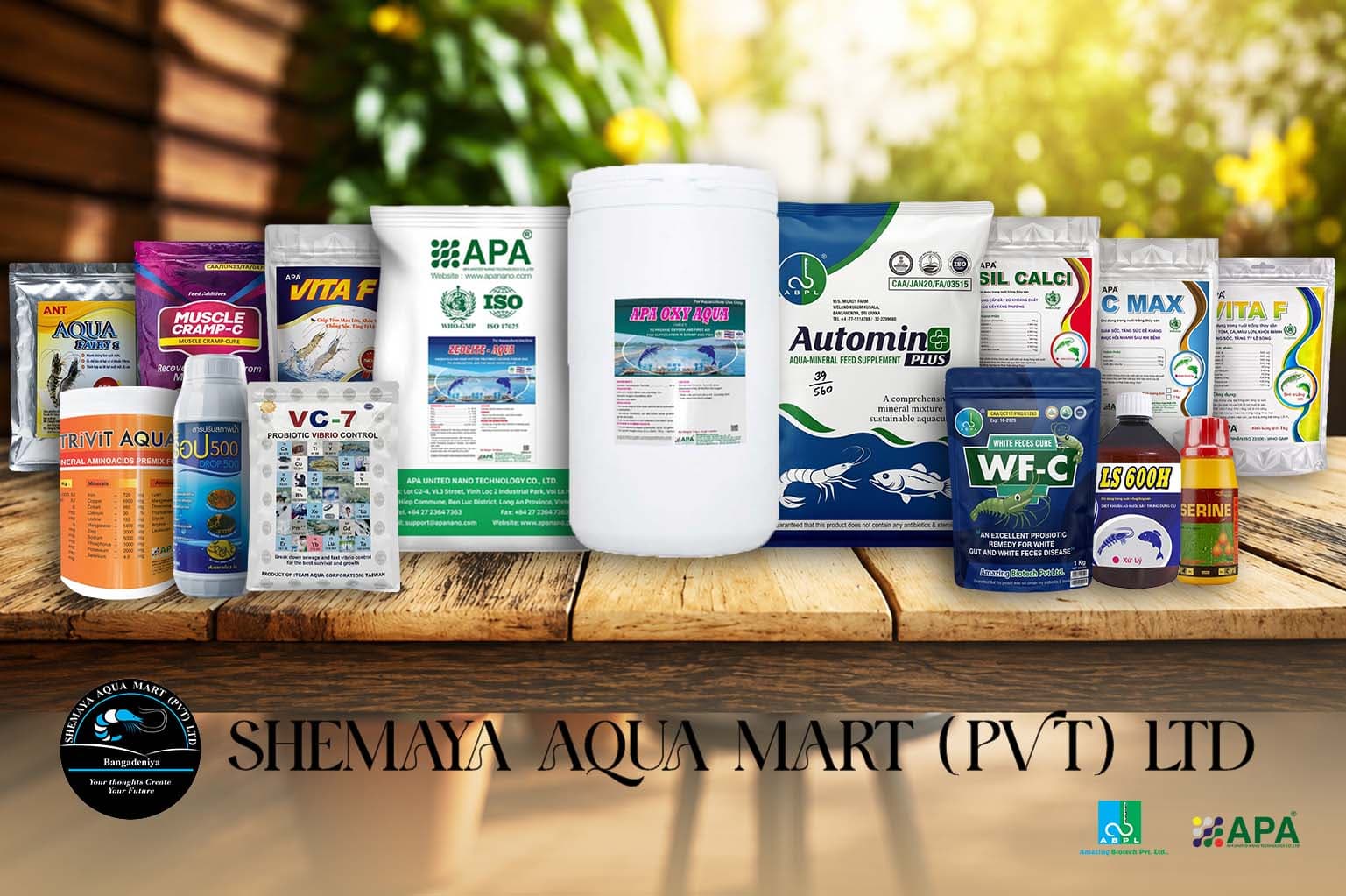 In aquaculture, success is built on many important factors healthy water, proper nutrition, good farm management, and access to reliable aquaculture products. At SHEMAYA AQUA MART (PVT) LTD, we understand that farmers need more than just products. They need dependable solutions that support them throughout their farming journey.
Located in Bangadeniya, Chilaw, SHEMAYA AQUA MART (PVT) LTD provides a range of aquaculture products and solutions designed to support shrimp and fish farming operations.
**Quality Products for Aquaculture Success**
Every farm has different requirements. From nutritional supplements and probiotics to water-management products and other aquaculture solutions, choosing suitable products can make an important difference in farm management.
Our product range includes solutions from established aquaculture suppliers and brands, offering farmers access to products for different stages and requirements of aquaculture production.
Whether you are managing a shrimp farm, fish farm, or working with ornamental fish, having access to the right products at the right time is essential.
**Supporting Shrimp and Fish Farmers**
Successful aquaculture is not simply about adding products to a pond. It is about understanding the farm, observing the water and animals, identifying challenges, and making informed management decisions.
**At SHEMAYA AQUA MART,we aim to support farmers by providing:**
Aquaculture products and nutritional solutions
Probiotic and water-management solutions
Mineral and supplementary products
Products for shrimp and fish farming
Technical guidance and farmer support
Reliable service for aquaculture professionals and farm owners
More Than a Supplier Your Aquaculture Partner
We believe that a strong relationship with farmers is just as important as the products we provide. Our goal is to understand the challenges faced by aquaculture farmers and help them find practical solutions suited to their farming requirements.
From daily farm management to maintaining suitable farming conditions, our team is committed to providing dependable support whenever farmers need it.
**Building a Better Future for Aquaculture**
Aquaculture continues to play an important role in food production and livelihoods. As farming practices develop, farmers need reliable products, better knowledge, and professional support to improve efficiency and maintain healthy production.
At SHEMAYA AQUA MART (PVT) LTD, we are committed to being part of that journey.
In aquaculture, success is built on many important factors healthy water, proper nutrition, good farm management, and access to reliable aquaculture products. At SHEMAYA AQUA MART (PVT) LTD, we understand that farmers need more than just products. They need dependable solutions that support them throughout their farming journey.
Located in Bangadeniya, Chilaw, SHEMAYA AQUA MART (PVT) LTD provides a range of aquaculture products and solutions designed to support shrimp and fish farming operations.
**Quality Products for Aquaculture Success**
Every farm has different requirements. From nutritional supplements and probiotics to water-management products and other aquaculture solutions, choosing suitable products can make an important difference in farm management.
Our product range includes solutions from established aquaculture suppliers and brands, offering farmers access to products for different stages and requirements of aquaculture production.
Whether you are managing a shrimp farm, fish farm, or working with ornamental fish, having access to the right products at the right time is essential.
**Supporting Shrimp and Fish Farmers**
Successful aquaculture is not simply about adding products to a pond. It is about understanding the farm, observing the water and animals, identifying challenges, and making informed management decisions.
**At SHEMAYA AQUA MART,we aim to support farmers by providing:**
Aquaculture products and nutritional solutions
Probiotic and water-management solutions
Mineral and supplementary products
Products for shrimp and fish farming
Technical guidance and farmer support
Reliable service for aquaculture professionals and farm owners
More Than a Supplier Your Aquaculture Partner
We believe that a strong relationship with farmers is just as important as the products we provide. Our goal is to understand the challenges faced by aquaculture farmers and help them find practical solutions suited to their farming requirements.
From daily farm management to maintaining suitable farming conditions, our team is committed to providing dependable support whenever farmers need it.
**Building a Better Future for Aquaculture**
Aquaculture continues to play an important role in food production and livelihoods. As farming practices develop, farmers need reliable products, better knowledge, and professional support to improve efficiency and maintain healthy production.
At SHEMAYA AQUA MART (PVT) LTD, we are committed to being part of that journey.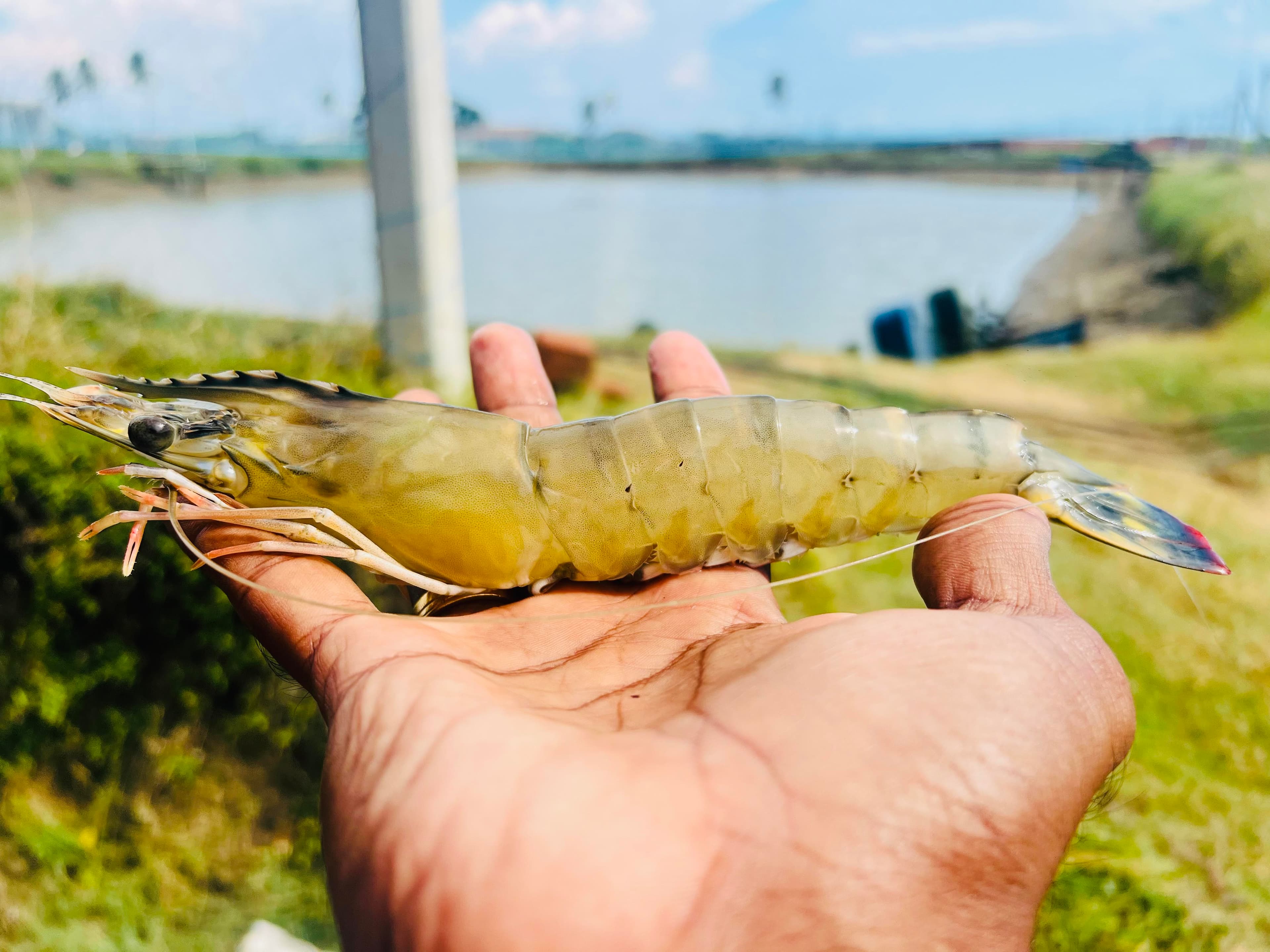 Water quality is the backbone of any successful aquaculture operation. Whether you are farming fish, shrimp, or other aquatic species, poor water conditions can lead to slow growth, increased stress, and severe disease outbreaks, ultimately affecting your profitability. Maintaining a healthy aquatic environment is not just about adding water or feeding your stock; it requires consistent monitoring, careful management, and preventive measures.
Here are **five essential tips** to help you maintain optimal water quality and ensure a thriving aquaculture system:
**1. Regular Water Testing**
Consistent testing of key water parameters—such as pH, dissolved oxygen, ammonia, nitrites, and nitrates—is vital. Regular monitoring allows you to detect changes early and take corrective action before they impact your stock. Maintaining a log of water quality over time also helps identify trends and potential long-term issues.
**2. Maintain Proper Aeration**
Oxygen is critical for the health and growth of aquatic species. Aerators, water pumps, or natural circulation methods ensure that oxygen levels remain within safe limits. Insufficient oxygen can lead to stress, reduced immunity, and in severe cases, mass mortality.
**3. Control Feeding Practices**
Overfeeding is a common problem in aquaculture. Uneaten feed decomposes and releases harmful compounds into the water, such as ammonia and nitrites, which can stress or poison your stock. Feed only the amount your fish can consume within a few minutes, and adjust portions based on growth and season.
**4. Proper Filtration**
Mechanical and biological filtration systems remove waste, excess feed, and harmful bacteria from the water. Mechanical filters remove larger particles, while biofilters break down toxic compounds. A well-maintained filtration system helps maintain clear water and reduces the risk of disease outbreaks.
**5. Routine Water Changes**
Partial water replacement is an effective method to dilute accumulated toxins, maintain stable chemical parameters, and refresh your aquatic environment. The frequency and volume of water changes depend on the system type, stocking density, and species being cultured.
By implementing these tips, aquaculture operators can create a healthier, more productive environment for their stock. A proactive approach to water management not only enhances growth and survival rates but also reduces the need for expensive treatments and emergency interventions. Remember, in aquaculture, prevention is always better than cure.
Maintaining water quality is not a one-time task—it’s a continuous process. With careful planning, consistent monitoring, and attention to detail, you can achieve sustainable, high-yield aquaculture operations that thrive season after season.
Water quality is the backbone of any successful aquaculture operation. Whether you are farming fish, shrimp, or other aquatic species, poor water conditions can lead to slow growth, increased stress, and severe disease outbreaks, ultimately affecting your profitability. Maintaining a healthy aquatic environment is not just about adding water or feeding your stock; it requires consistent monitoring, careful management, and preventive measures.
Here are **five essential tips** to help you maintain optimal water quality and ensure a thriving aquaculture system:
**1. Regular Water Testing**
Consistent testing of key water parameters—such as pH, dissolved oxygen, ammonia, nitrites, and nitrates—is vital. Regular monitoring allows you to detect changes early and take corrective action before they impact your stock. Maintaining a log of water quality over time also helps identify trends and potential long-term issues.
**2. Maintain Proper Aeration**
Oxygen is critical for the health and growth of aquatic species. Aerators, water pumps, or natural circulation methods ensure that oxygen levels remain within safe limits. Insufficient oxygen can lead to stress, reduced immunity, and in severe cases, mass mortality.
**3. Control Feeding Practices**
Overfeeding is a common problem in aquaculture. Uneaten feed decomposes and releases harmful compounds into the water, such as ammonia and nitrites, which can stress or poison your stock. Feed only the amount your fish can consume within a few minutes, and adjust portions based on growth and season.
**4. Proper Filtration**
Mechanical and biological filtration systems remove waste, excess feed, and harmful bacteria from the water. Mechanical filters remove larger particles, while biofilters break down toxic compounds. A well-maintained filtration system helps maintain clear water and reduces the risk of disease outbreaks.
**5. Routine Water Changes**
Partial water replacement is an effective method to dilute accumulated toxins, maintain stable chemical parameters, and refresh your aquatic environment. The frequency and volume of water changes depend on the system type, stocking density, and species being cultured.
By implementing these tips, aquaculture operators can create a healthier, more productive environment for their stock. A proactive approach to water management not only enhances growth and survival rates but also reduces the need for expensive treatments and emergency interventions. Remember, in aquaculture, prevention is always better than cure.
Maintaining water quality is not a one-time task—it’s a continuous process. With careful planning, consistent monitoring, and attention to detail, you can achieve sustainable, high-yield aquaculture operations that thrive season after season.
1